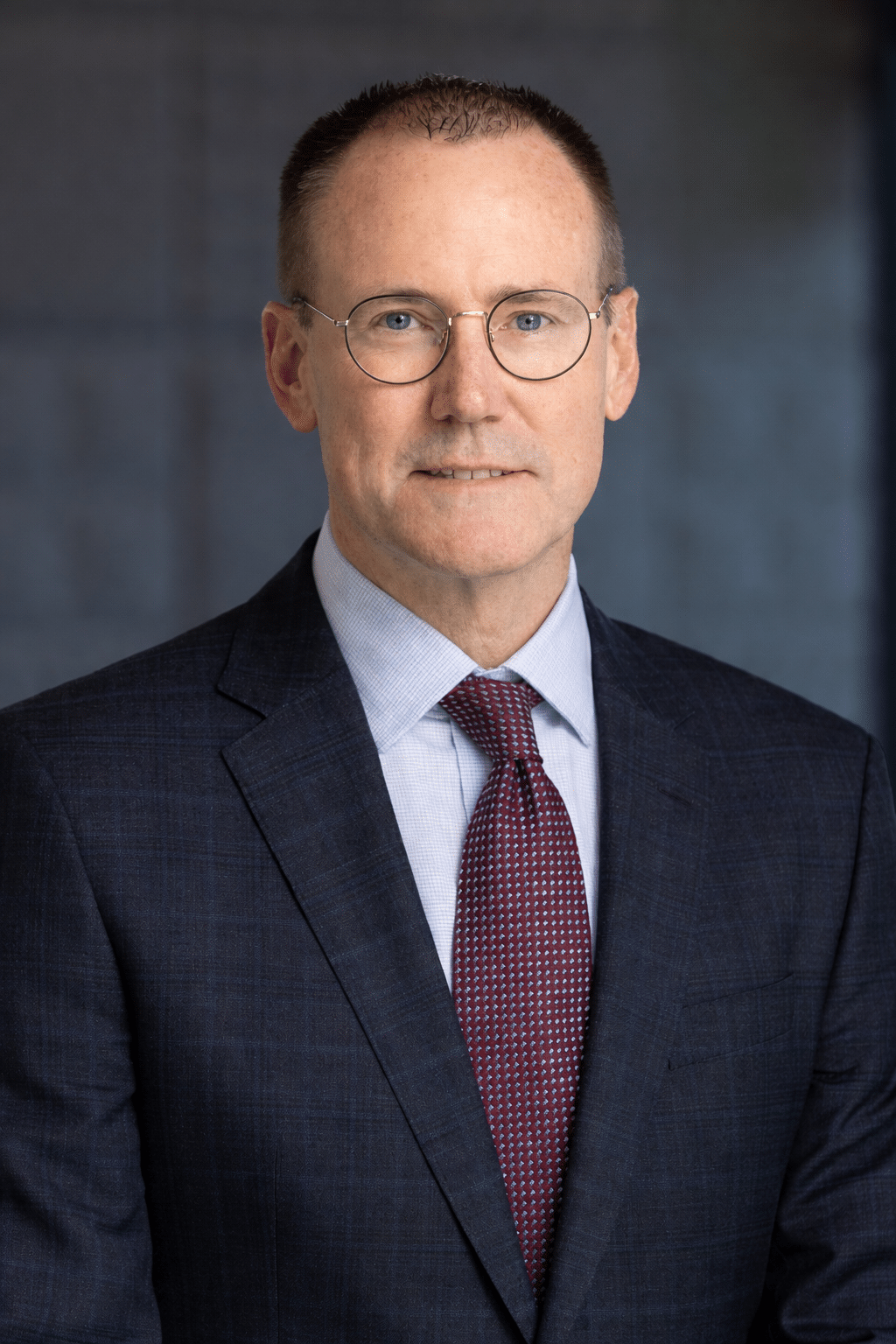
The Critical Path Institute Podcast: Connecting the Dots in Rare and Pediatric Diseases with VP Collin Hovinga
In this episode of the Critical Path Institute© Podcast, C-Path VP of Rare/Orphan and Pediatric Disease Programs Collin...



Founded in 2023, CPA-1 is a public-private partnership comprised of industry partners, academic researchers, regulators, and patient groups working collaboratively to accelerate medical advancements for Alpha-1 Antitrypsin Deficiency (AATD).

Alpha-1 antitrypsin deficiency affects more than 3 million people globally; there is no cure. With wide variability in patient experience due in part to genetic and diagnostic differentials, the challenges for clinicians, drug developers, patients, caregivers and regulators are great.
The CPA-1 consortium’s mission is to forge actionable, regulatory-endorsed drug development solutions for patients living with alpha-1 antitrypsin deficiency by convening key stakeholders in a public-private partnership dedicated to open collaboration. CPA-1 consortium members bring data, individual and organizational expertise, and a desire for change to hepatic and pulmonary workgroup sessions. Data and research sharing ensure drug development solutions reflect current scientific knowledge and regulatory standards.
Alpha-1 antitrypsin deficiency is an inherited condition that is frequently under- or mis-diagnosed until lung or liver disease sets in. AATD patients face daily challenges in breathing, maintaining health, and socioeconomic status. By bringing the best minds to the table and assessing the landscape from patient, academic, and industry vantage points, the CPA-1 consortium has the potential to directly address this public health burden through innovations in biomarkers, therapeutic modalities, and trial design.
The consortium’s success will be measured by work that:
To learn more or contribute to the CPA-1 database on the RDCA-DAP, email: cpa1@c-path.org
Jon Hagstrom
Board Chair, Alpha-1 Foundation
Kristin Van Goor, PhD
US Head, Global Regulatory Policy and Innovation, Takeda Development Center Americas, Inc.
Collin Hovinga, PharmD, MS, FCCP
Vice President, Rare/Orphan and Pediatric Disease Programs
Laura Hopkins, MS, MLS
Director, Rare/Orphan and Pediatric Disease Programs
Gina DeAngelo, MPH, CPH
Project Manager, CPA-1, Gdeangelo@c-path.org
Sheryl P. Denker, PhD
Scientific Director, CPA-1, sdenker@c-path.org
Kitty Bogy
Project Coordinator, CPA-1, kbogy@c-path.org
